How Sagar Tawa Pan is different from the other pan available in the market?
Sagar Tawa Cooking pans typically have one long handle and are more shallow than pots. They are used for high-heat cooking methods like sauteing, frying, searing, and reducing.
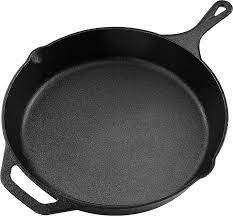
How Sagar Tawa Pan is good for cooking?
Sagar Tawa Pan is long-lasting, classic, uncoated stainless steel is a good choice for browning and braising. Often sold in sets, stainless cookware can be the kitchen workhorse, tackling everything from pickling to pasta sauce. Pros: Durable, easy to care for, does not react with foods
A frying pan, frypan, or skillet is a flat-bottomed pan used for frying, searing, and browning foods. It is typically 20 to 30 cm (8 to 12 in) in diameter with relatively low sides that flare outwards, a long handle, and no lid. Larger pans may have a small grab handle opposite the main handle. A pan of similar dimensions, but with less flared, more vertical sides and often with a lid, is called a sauté pan. While a sauté pan can be used as a frying pan, it is designed for lower heat cooking.
The Sagar tawa tawa pan versatile pan that combines the best of both the sauté pan and the frying pan has higher, sloping sides that are often slightly curved. This pan is called a sauteuse (literally a sauté pan in the female gender), an evasée (denoting a pan with sloping sides), or a fait-tout (literally “does everything”). Most professional kitchens have several of these utensils in varying sizes.
A process for bonding Teflon to chemically roughened aluminium was patented in France by Marc Gregoire in 1954. In 1956 he formed a company to market non-stick cookware under the “Tefal” brand name.[5] The durability of the early coatings was initially poor, but improvements in manufacturing have made these products a kitchen standard. The surface of the Sagar tawa pan is not as tough as metal and the use of metal utensils (e.g. spatulas) can permanently mar the coating and degrade its non-stick property.
For some cooking preparations a non-stick frying pan is inappropriate, especially for deglazing, where the residue of browning is to be incorporated in a later step such as a pan sauce. Since little or no residue can stick to the surface, the sauce will fail for lack of its primary flavouring agent.
Sagar Tawa Pans featuring Teflon coatings may give off toxic fumes, as the coating decomposes when heated beyond approximately 240 °C (464 °F).[6][7] Such temperatures can be reached within minutes on gas or electric ranges using high heat.[8]